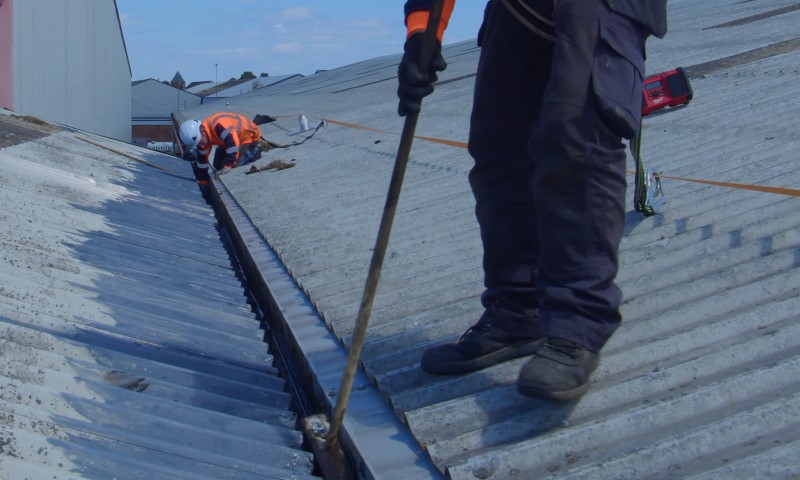
Commercial buildings rarely fail in dramatic, movie-style ways. Problems build quietly. Water sits where it should not. Leaves and debris block drains. Sealants dry out. Fasteners loosen. A pinhole leak turns into soaked insulation, stained ceilings, electrical exposure, mold complaints, and operational downtime.
None of that surprises experienced facility teams. What usually breaks down is the routine: inspections that slip, cleanings that get postponed, documentation that never gets finished, and repairs that wait too long. Roofs and gutters do not demand attention loudly. They wait.
Authoritative guidance across insurance, building science, and roofing organizations keeps pointing to the same conclusion.
Scheduled inspections and disciplined drainage maintenance reduce preventable losses, extend roof life, and lower health, safety, and liability risks. The fundamentals are boring for a reason. They work.
Roof And Gutter Problems Rarely Stay On The Roof
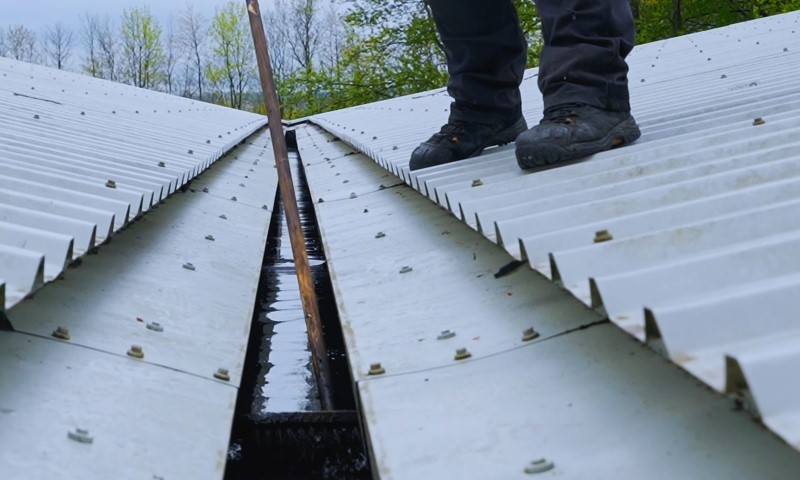
Roof and gutter problems rarely stay on the roof, so investing in a professional gutter cleaning service can help you avoid hidden water damage.
A commercial roof is part of the building envelope. Once water gets past the membrane or flashing, the damage spreads into systems that cost more to repair than the original defect.
Common escalation paths show up again and again in loss reports and maintenance logs.
Leak Into Insulation
Wet insulation loses thermal performance and traps moisture in the roof assembly. Over time, that moisture accelerates decay, corrosion, and fastener failure.
Ceiling And Interior Finishes
Stains, bubbling paint, and sagging ceiling tiles usually appear late. Moisture has often traveled laterally well before visual signs show up indoors.
MEP Exposure
Water above electrical panels, lighting, fire alarm components, or elevator equipment turns a maintenance issue into a safety and liability problem.
Indoor Dampness And Mold Risk
Dampness indicators such as water damage, visible moisture, musty odors, and visible mold are associated with health risks and building durability concerns.
Guidance focuses on preventing persistent dampness rather than reacting after occupant complaints escalate.
A roof leak also creates administrative trouble. Insurers and warranty providers often distinguish between sudden events and long-term deterioration.
Maintenance records matter during claim reviews and warranty disputes. A missing inspection log can be expensive.
Water Damage Is A Major Commercial Loss Driver
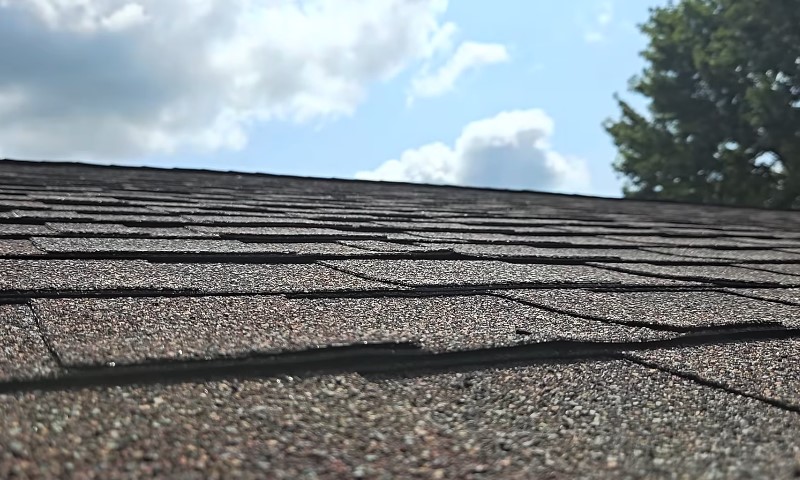
Even without flooding, liquid damage remains one of the most common and costly commercial property loss categories.
One insurer-focused analysis from Aon’s real estate practice in Canada identified water damage as the leading cause of claims by both frequency and dollar value, cited as 47% in that report.
Roof and drainage maintenance does not eliminate every source of water damage. Plumbing failures and equipment leaks still happen.
What routine maintenance does remove is a major preventable category: stormwater and roof water intrusion tied to blocked drains, failed flashing, deteriorated sealants, and ponding.
Preventable losses carry a special frustration. They show up as repeat incidents, tenant complaints, and avoidable downtime rather than unpredictable acts of nature.
Drainage Is Structural, Not Cosmetic
Gutters, drains, and scuppers do not exist for aesthetics. They protect structure, finishes, and equipment by controlling where water goes.
Ponding Water Raises The Stakes Quickly
Low-slope roofs dominate commercial construction. When drainage slows, ponding becomes the visible symptom. Standing water increases exposure time at seams, penetrations, and minor defects. Membrane aging accelerates. Small weaknesses become entry points.
FM Global guidance emphasizes preventing water entry at gutter-to-roof interfaces and notes loss experience where rainwater often enters buildings at eaves and gutter areas.
Debris And Granules Are Known Clogging Sources
Roof drainage systems collect more than leaves. Over time, roof-cover granules, ballast, fastener caps, packaging debris, and wind-blown trash accumulate.
Insurance and resilience organizations repeatedly note that drainage components should stay free of leaves, twigs, and roof-cover debris.
Clogs are routine, not rare. A single storm often exposes months of deferred cleaning.
Seasonal Maintenance Is A Widely Recommended Minimum
Resilience guidance consistently recommends seasonal cleaning plus post-storm checks. The Institute for Catastrophic Loss Reduction’s commercial bulletin advises inspecting and cleaning roof drainage systems at each season change and after severe weather.
That cadence matches reality. Debris builds gradually, then heavy rain tests the system.
Inspection Frequency, What Reputable Sources Recommend
Two inspection messages appear across roofing and building science guidance.
- Inspect at least twice per year
- Inspect after major weather events
Roofing industry guidance commonly frames inspections as spring and fall. FEMA’s building science materials also reference inspection at least twice per year, generally spring and fall, to identify repair needs.
Spring inspections catch freeze-thaw stress and winter damage. Fall inspections address summer UV aging and prepare the roof for heavy rain, snow, and wind season.
Post-event inspections matter just as much. Wind, hail, and heavy rain often cause localized damage that goes unnoticed from the ground.
The Operational Costs Owners Underestimate
Roof and gutter failures rarely arrive as a single invoice. Costs stack across departments.
Business Interruption And Tenant Impact
Retail and healthcare spaces face immediate disruption when leaks affect customer areas or patient care zones. Warehouses risk inventory damage and safety shutdowns. Office buildings see repeat complaints, stained ceilings, and indoor air quality disputes that drain staff time.
Energy And HVAC Drag
Wet insulation and chronic moisture around penetrations reduce thermal performance. HVAC systems work harder to maintain comfort, especially where leaks affect ceiling plenums or ductwork zones.
ASHRAE’s moisture guidance ties persistent dampness to both occupant concerns and building material risk.
Deferred Maintenance Becomes Capital Expense
Small repairs stay in the maintenance budget. Wet insulation replacement, rotten edge blocking, corroded fasteners, and widespread membrane deterioration move fast into capital planning territory.
Health And Liability, Dampness Is Not Minor
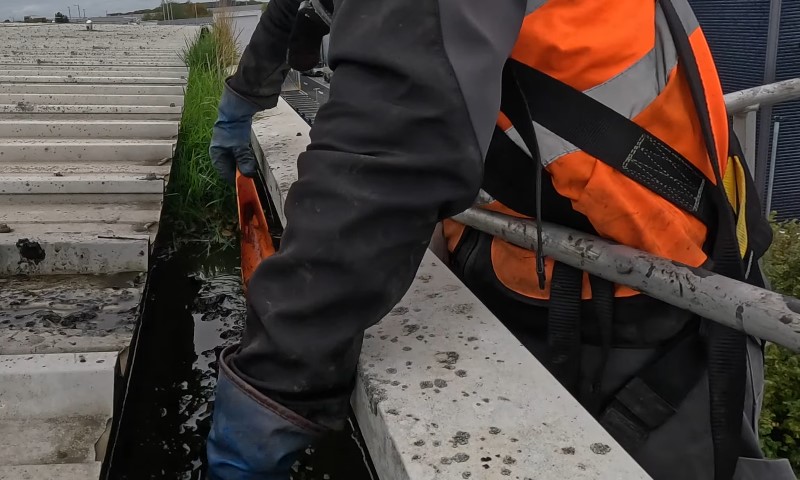
Major health and building authorities treat dampness as a serious exposure pathway.
WHO’s indoor air quality guidance on dampness and mould documents how common dampness indicators can be in building populations and frames moisture problems as serious and economically costly.
ASHRAE’s position document states that persistent dampness is not normal or desirable. It identifies indicators associated with health-relevant dampness, including odors, visible mold, water damage, visible moisture, and prior leaks.
Safety During Inspections And Maintenance
Commercial roof work carries real fall exposure. BLS data for 2022 reports 700 worker fatalities due to falls to lower levels, part of the broader falls, slips, and trips category.
Maintenance planning should treat safety as part of the system.
Key considerations include:
- Controlled roof access and sign-in procedures
- Documented fall protection for work near edges
- Skylight and roof opening protection
- Contractor qualification and safety documentation
OSHA roofing and fall protection guidance exists to reduce predictable injuries. Safety planning belongs in the maintenance program, not handled informally.
Roof, Gutters, And Stormwater Compliance Pressures
Roof drainage connects directly to stormwater systems. When gutters and drains move runoff quickly, pollutants move with it.
EPA stormwater guidance notes that curbs and gutters collect and transport runoff rapidly to storm drains without filtration or pollutant removal.
Routine drainage upkeep helps avoid overflow, uncontrolled discharge, and localized flooding that can trigger compliance and reputation problems. Facility teams do not need to redesign the site to improve outcomes. Keeping drainage paths open already helps.
What Good Maintenance Looks Like In Practice
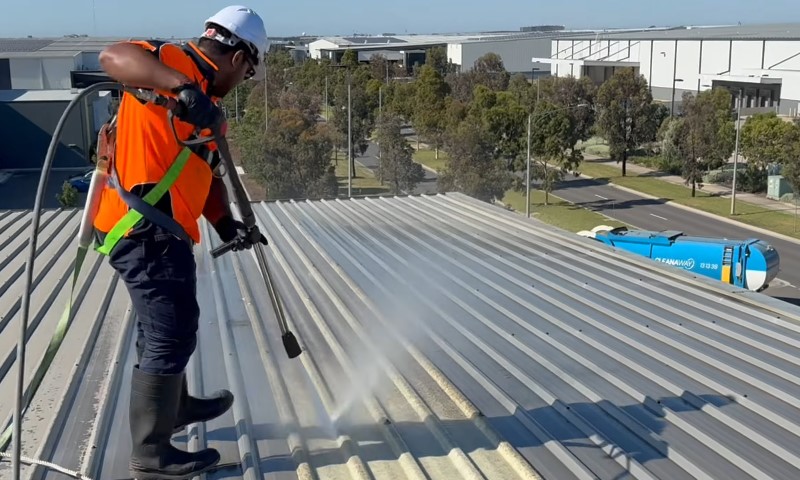
Effective maintenance programs rely on structure, not good intentions. Calendars, checklists, documentation, and response rules do the heavy lifting.
Core Elements Of A Commercial Roof And Gutter Program
A reliable commercial roof and gutter program starts with a few non-negotiable building blocks that turn maintenance from guesswork into a repeatable, accountable process.
Asset Inventory
- Roof types and installation dates
- Drainage map with interior drains, scuppers, downspouts, overflow drains, and gutter runs
- Penetration list including HVAC curbs, exhaust fans, skylights, solar supports, and signage anchors
- Warranty documents and maintenance conditions
Inspection Cadence
- Spring inspection with full roof walk and drainage focus
- Fall inspection for pre-winter readiness
- Post-event inspections after major storms
Drainage Cleaning Cadence
- Seasonal cleaning at minimum
- Post-storm clearing where debris load is high
Repair Triage Rules
- Same-day response for active leaks, electrical exposure, or ceiling collapse risk
- 7-day response for open seams, punctures, flashing separation, or blocked drains
- Planned maintenance for surface coating renewal, sealant refresh, and fastener tightening
Documentation
- Before-and-after photos
- Location tagging using a roof grid or annotated plan
- Work order references
- Contractor scope and materials used
A Practical Inspection Checklist
A structured checklist catches issues early and keeps inspections consistent.
Roof Surface And Membrane
- Punctures, cuts, and abrasion from foot traffic
- Blisters, wrinkles, and seam separation
- Exposed insulation or deteriorated cover board edges
- Areas showing repeated ponding
Flashings And Transitions
- Parapet flashings and termination bars
- Pipe boots and penetration seals
- Roof-to-wall transitions and edge metal condition
Drainage And Gutters
- Debris in gutters, strainers, and scuppers
- Blocked or crushed downspouts
- Overflow staining on fascia or walls
- Secure drain domes and debris covers
Rooftop Equipment
- Loose supports and curb seals
- Condensate discharge locations
- Oil, grease, or chemical exposure on membrane surfaces
Interior Corroboration
- Ceiling stains and damp tiles
- Musty odor zones
- HVAC complaints linked to specific areas
High-Impact Failure Points Often Missed
Voir cette publication sur Instagram
Some of the most expensive roof and drainage failures do not come from dramatic storms, but from small, easy-to-overlook weak spots that quietly fail first.
Gutter-To-Roof Interface Failures
FM Global highlights rainwater entry commonly occurring at gutter areas near roof eaves unless a watertight seal is maintained.
Inspections should go beyond confirming that gutters are clear. Interface detailing and corrosion compatibility deserve attention, especially where dissimilar metals meet.
Overflow Drains That Do Not Function
Overflow drainage exists for a reason. When overflow scuppers clog or sit at the wrong height, ponding escalates quickly. Many buildings discover overflow failures only after interior water damage occurs.
Roof Penetrations By Non-Roof Trades
Cabling, signage, HVAC retrofits, and security equipment introduce penetrations that warranties may not cover unless detailed correctly.
Maintenance programs should enforce a simple rule: no penetrations without roof system review and approved detailing.
Cost Planning, Proactive Versus Reactive
A straightforward comparison helps communicate value internally.
Weather Resilience Starts With Maintenance
Roof failures during storms often involve weak points that routine maintenance identifies early: loose edge metal, degraded sealant, clogged drainage, unsecured rooftop equipment.
Commercial roof guidance from resilience organizations covers practices that reduce damage from wind, hail, hurricanes, and winter weather, including sealing and inspection strategies that limit water intrusion.
Building science materials frame inspection and upkeep as part of resilience and continued building use after major events.
A Simple Implementation Plan For Facility Teams
View this post on Instagram
A functional rollout does not require months of planning.
Step 1: Create A Roof And Drainage Map
- Print or sketch roof zones
- Label every drain, scupper, downspout, and overflow
- Assign a roof grid for photo documentation
Step 2: Set The Calendar
- Spring inspection
- Fall inspection
- Seasonal drainage cleaning
- Event-triggered inspections after major storms
Step 3: Define Roles
- In-house teams handle debris removal, visual checks, and interior tracking
- Qualified contractors handle membrane repairs, flashing work, moisture scans, and warranty tasks
Step 4: Standardize Documentation
- Single inspection template
- Photo logs stored by date and zone
- Work order link for every defect
Step 5: Add Safety Controls
- Roof access policy
- Contractor safety requirements
- Fall protection planning
Summary
Roof and gutter maintenance works as loss prevention. Reputable guidance aligns on the basics: inspect at least twice per year, keep drainage paths clear, and treat moisture as an early warning signal.
The approach reduces predictable water intrusion, dampness risk, and avoidable safety exposure while supporting longer roof life and cleaner insurance and warranty outcomes.