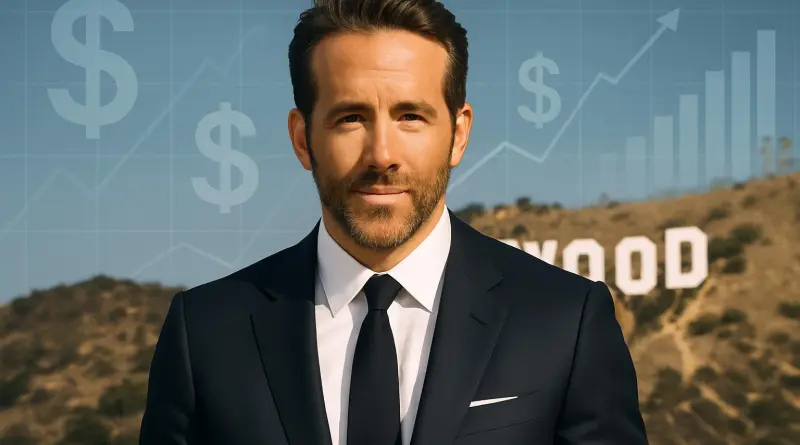
Ryan Reynolds has grown into more than a Hollywood A-lister. His career combines film success, sharp humor, and calculated business decisions.
Personal branding plays a major role in how his ventures gain traction and scale rapidly.
A 2026 net worth estimate places his fortune at $350 million.
That figure reflects years of disciplined choices across entertainment, ownership stakes, and long-term investments.
Financial growth shows deliberate positioning rather than reliance on acting alone.
Ryan Reynolds’ Net Worth at a Glance
| Net Worth Timeline | |
|---|---|
| Year | 2010 |
| Estimated Net Worth | $25 million |
| 2015 | |
| Estimated Net Worth | $50 million |
| 2016 | |
| Estimated Net Worth | $75 million |
| 2018 | |
| Estimated Net Worth | $150 million |
| 2020 | |
| Estimated Net Worth | $250 million |
| 2026 | |
| Estimated Net Worth | $350 million |
Estimated net worth in 2026 totals $350 million.
Income streams remain balanced across creative and commercial efforts, creating stability even during slower box office cycles.
Primary income sources break down as follows:
| Breakdown of Income Sources |
|---|
| Acting roles: $150 million Aviation Gin: $120 million Mint Mobile: $30 million Wrexham AFC and other investments: $30 million Endorsements and miscellaneous ventures: $20 million |
Entrepreneurship accounts for nearly half of total wealth. That balance reduces dependence on film releases while expanding long-term earning potential.
Acting Career: Sitcom Roots to Superhero Success
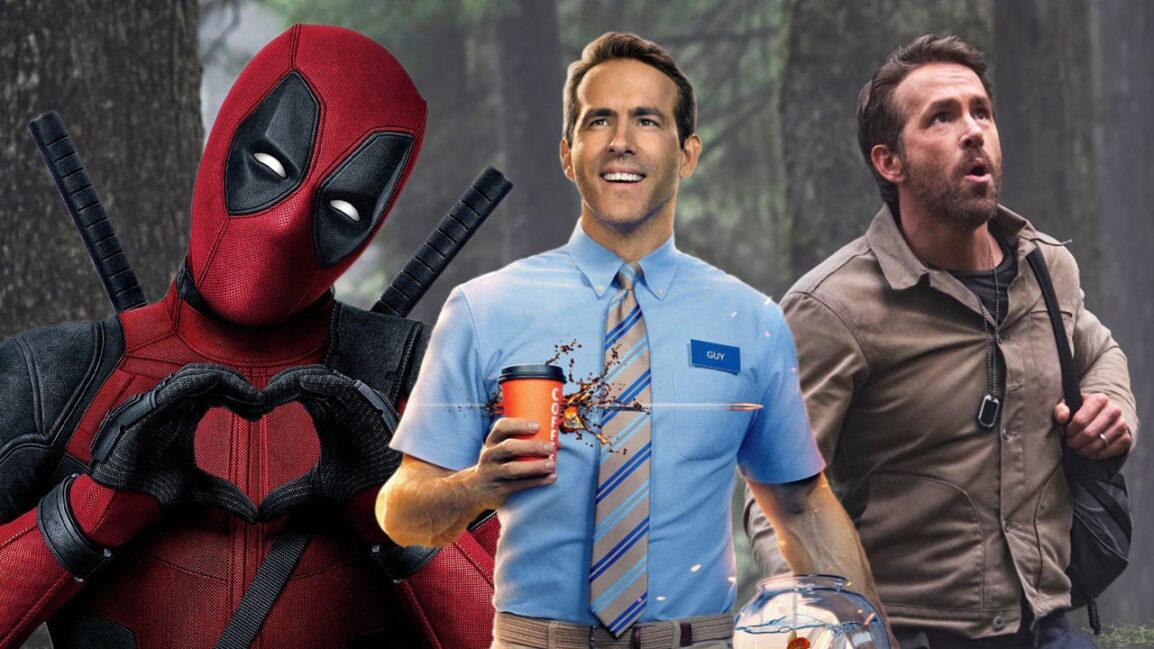
Ryan Reynolds began acting during the 1990s with television roles and lighthearted film appearances.
Early projects delivered exposure rather than major paychecks. Consistent work in comedy and drama built recognition and industry credibility.
Television work created steady income but limited financial upside. Career momentum accelerated gradually rather than overnight.
Deadpool Breakthrough
Deadpool changed Reynolds’ earning power permanently. Initial compensation landed between $7 million and $10 million plus backend participation.
Box office success transformed profit-sharing into a massive payout.
Deadpool 2 increased earnings to approximately $20 million, boosted further by negotiated profit splits.
Franchise success positioned Reynolds as both a star and a creative force capable of carrying billion-dollar properties.
Streaming Deals and Varied Roles
High-budget streaming films followed, including Red Notice and Spirited. Current per-film compensation reaches as high as $20 million, often paired with backend incentives.
Voice acting, cameos, and smaller productions continue generating reliable income. Acting remains a core pillar, though no longer the sole driver of financial growth.
Entrepreneurial Empire
While most actors build wealth through contracts and box office returns, Ryan Reynolds took a far more diversified approach.
His transition from screen star to business mogul didn’t rely on passive endorsements; he became a co-founder, creative driver, and public face of multiple ventures.
Wrexham AFC
Perhaps the most unconventional piece of Reynolds’ portfolio, Wrexham AFC is a Welsh football club founded in 1864, and struggling financially until Reynolds and actor Rob McElhenney acquired it in 2020.
The documentary series “Welcome to Wrexham” aired on FX and Disney+, telling the story of two celebrities learning to manage a football club.
The series not only humanized the venture but also brought unprecedented attention to Wrexham, turning it into a cross-cultural curiosity and cult brand.
Today, fans can engage with football not only through viewing but also interactively via platforms like Bet365, which provide access to live sports betting, match streams, and a wide range of football markets.
Beyond financials, Wrexham demonstrated Reynolds’ ability to weave storytelling into investment, a fusion that continues to amplify his global reach.
Aviation Gin
Ryan Reynolds’ entry into the spirits industry came with a calculated investment in Aviation Gin, a then-relatively unknown craft brand. Rather than serve as a traditional spokesperson,
Reynolds became deeply involved in its branding and advertising, often writing, producing, and starring in self-deprecating, highly viral campaigns.
His “Maximum Effort” approach helped Aviation become one of the fastest-growing gin brands in America.
By 2020, global beverage giant Diageo acquired the brand in a deal reportedly worth up to $610 million. Reynolds’ cut, from equity and incentives, was widely reported as approximately $120 million, marking:
His single largest financial windfall to date.
A proof-of-concept for the power of personal branding in product marketing.
Aviation Gin didn’t just boost Reynolds’ net worth, it solidified his position as a credible business force in the consumer goods industry.
Mint Mobile
In 2019, Reynolds made another unexpected pivot, into telecommunications.
Acquiring an ownership stake in Mint Mobile, a low-cost wireless carrier, he brought the same humor-driven marketing strategy to the mobile world.
This wasn’t just about visibility; Reynolds had creative control over campaigns and often appeared in ads that emphasized value, transparency, and anti-corporate messaging, a direct appeal to younger, cost-conscious consumers.
This strategy paid off both in growth and in industry attention. In 2023, T-Mobile announced its acquisition of Mint Mobile for up to $1.35 billion, with Reynolds retaining his creative role in the brand.
The impact on his finances and brand positioning was clear:
- Estimated net worth contribution: $30 million.
- Ongoing involvement ensures future value from residual equity and royalties.
- Reinforced his reputation as a disruptor in traditionally stale markets.
Mint Mobile’s rise showcased Reynolds’ ability to scale niche products by making them culturally relevant, a rare skill among celebrity entrepreneurs.
Other Ventures
Outside the headline-making deals, Reynolds has quietly built a diversified portfolio that includes:
- Fintech
- Digital media
- Real estate
While these investments are less visible to the public, they follow a consistent pattern: partner with emerging companies that align with his personal brand and audience.
What defines this part of his empire is not risk, but restraint.
His investment strategy is guided by long-term viability, often emphasizing scalability, sustainability, and cross-promotional potential.
Key features of this approach include:
- Favoring minority stakes with creative input over total ownership.
- Leveraging his personal audience and humor-based marketing to lift brand profiles.
- Targeting growth sectors such as mobile finance, digital content, and lifestyle products.
This approach has not only minimized risk but positioned Reynolds as a modern venture capitalist with a unique set of tools: mass appeal, narrative skill, and marketing genius.
Brand Strategy and Maximum Effort
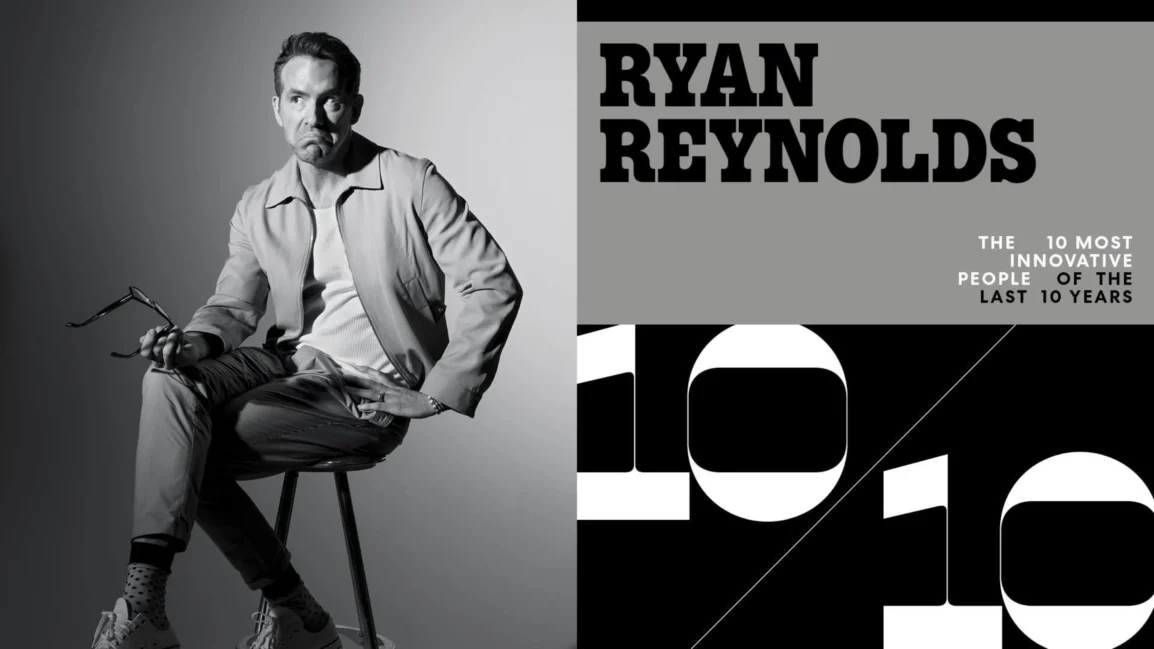
Ryan Reynolds co-founded Maximum Effort, a digital marketing agency known for viral advertising. Campaigns rely on humor, timing, and internet culture rather than traditional corporate messaging.
Maximum Effort played a critical role in scaling Aviation Gin, Mint Mobile, and Wrexham AFC. Authentic communication strengthens consumer trust and drives engagement across platforms.
Marketing control allows Reynolds to shape public perception without heavy reliance on outside agencies.
Philanthropy and Public Image
Charitable giving remains a consistent part of Reynolds’ public life. Donations support healthcare initiatives, disaster relief, and underserved communities.
Ryan Reynolds and Blake Lively contributed millions to food banks, COVID-19 relief programs, and civil rights organizations including the NAACP. Public generosity reinforces credibility and strengthens audience loyalty.
Positive public perception supports brand partnerships and long-term business success.
Awards and Recognition
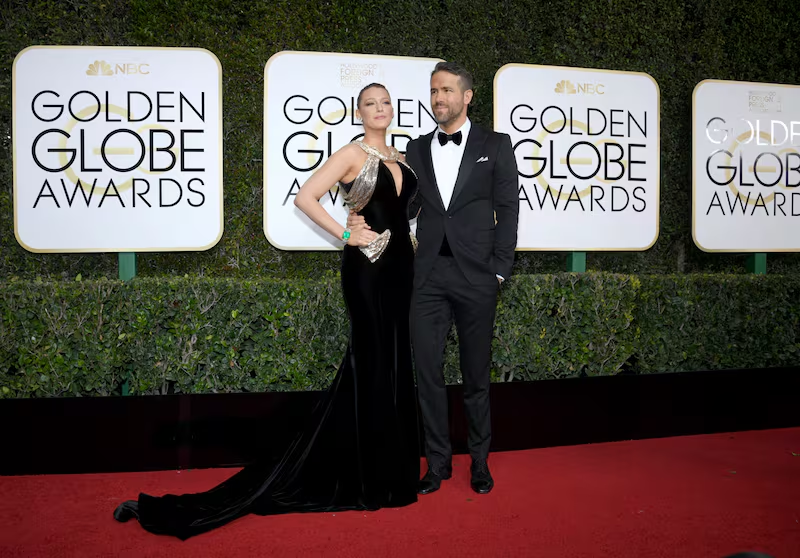
Career recognition includes nominations for a Golden Globe and Critics’ Choice Award. Awards raise industry prestige and improve leverage during contract negotiations.
Marketability increases alongside critical respect. Studios and brands value Reynolds as both a proven performer and a reliable commercial partner.
Closing Thoughts
Ryan Reynolds reshaped modern celebrity economics through acting, ownership, and branding discipline. Film success created visibility, while business strategy multiplied earnings.
Calculated decisions converted fame into scalable assets. Career structure demonstrates how humor, control, and long-term planning produce durable financial success.
Ryan Reynolds serves as a blueprint for actor-entrepreneurs seeking control over both creative output and financial future.